
The world of online gaming has expanded dramatically over the past two decades, transforming from simple multiplayer experiences into vast, immersive digital ecosystems. Among the platforms that have shaped this evolution, Steam stands out as one of the most influential. Developed by Valve Corporation, Steam has become synonymous with PC gaming, offering a massive library of games, community features, and a robust online multiplayer environment. Alongside platforms like Stackz, which are emerging as modern alternatives for online gaming, the landscape continues to grow, offering players more choice and accessibility than ever before.
The Rise of Steam in Online Gaming
Steam was launched in 2003, initially as a digital distribution platform for Valve’s own titles. Over time, it evolved into a comprehensive gaming hub, hosting thousands of games from developers around the world. One of the key reasons for Steam’s success is its ability to integrate online multiplayer functionality seamlessly into its ecosystem.
Steam Online Games range from competitive first-person shooters and battle royale titles to cooperative survival games and massively multiplayer online role-playing games (MMORPGs). Popular titles like Counter-Strike, Dota 2, and PUBG have built massive online communities, demonstrating how Steam serves as a backbone for global multiplayer experiences.
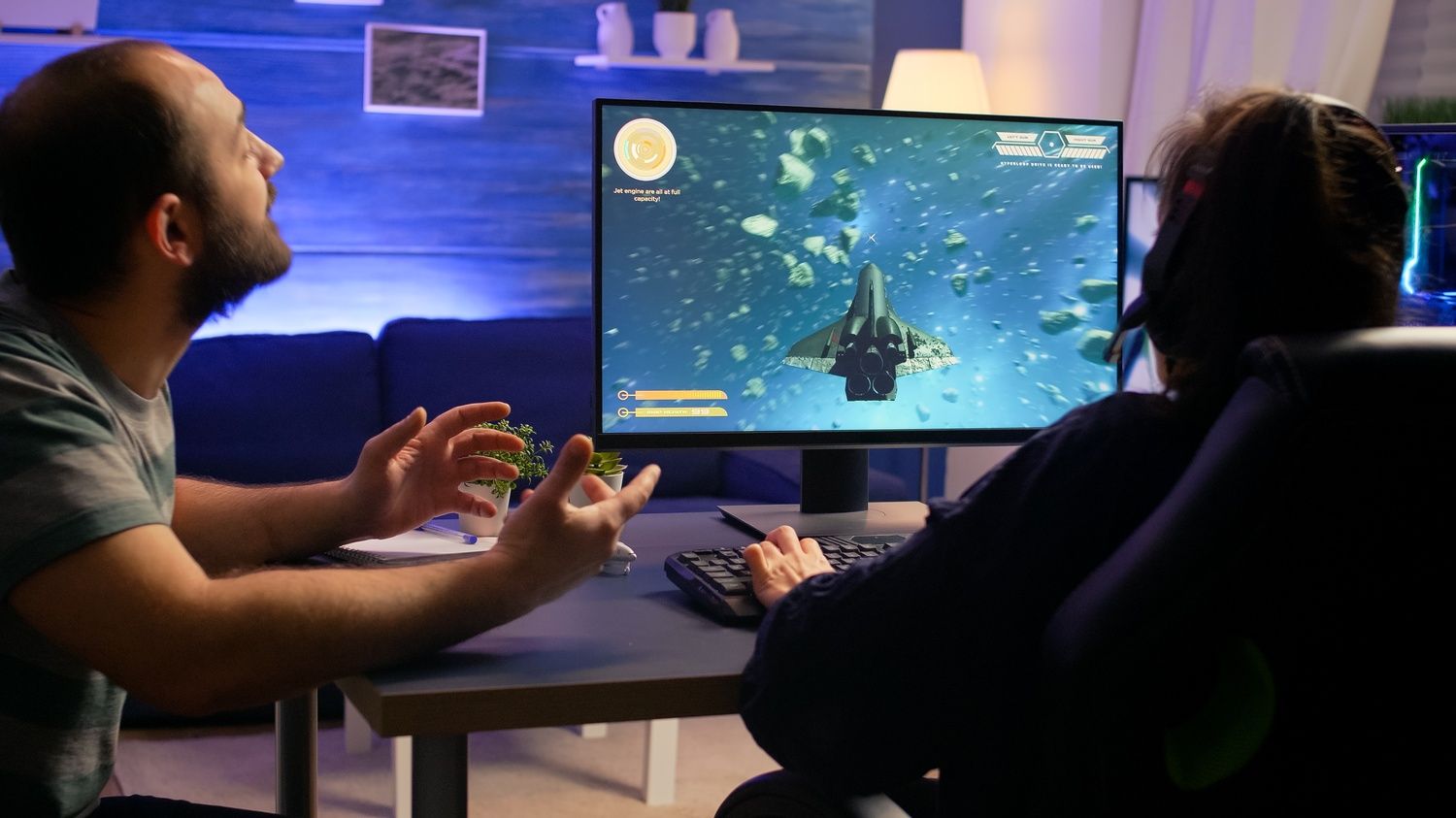
Features That Enhance Online Gaming on Steam
Steam is not just a store—it’s a complete gaming environment. Several features make it especially appealing for online gamers:
1. Multiplayer Integration:
Steam provides built-in matchmaking systems, server browsing, and friend lists that make it easy to connect with other players. Whether you’re teaming up with friends or competing against strangers, the process is streamlined and user-friendly.
2. Community Features:
Players can join groups, participate in discussions, share content, and even broadcast their gameplay. The Steam Community plays a crucial role in enhancing the online gaming experience, allowing users to form connections beyond the game itself.
3. Regular Updates and Events:
Many online games on Steam receive frequent updates, seasonal events, and new content. These updates keep the games fresh and engaging, encouraging players to return regularly.
4. Mod Support:
Steam Workshop allows players to create and share modifications for games. This not only extends the life of games but also fosters creativity within the community.
5. Cross-Platform Play:
Some Steam games support cross-platform multiplayer, enabling players on different devices to compete or collaborate, further expanding the player base.
Diversity of Online Games
One of Steam’s greatest strengths is its diversity. Players can choose from a wide range of genres, including:
- Competitive Esports Games: Fast-paced games that require skill and strategy.
- Cooperative Games: Titles where players work together to achieve objectives.
- Sandbox and Survival Games: Open-world experiences with online interaction.
- MMORPGs: Large-scale games with persistent worlds and thousands of players.
This variety ensures that there is something for everyone, from casual gamers to hardcore enthusiasts.
The Social Aspect of Steam Online Games
Online gaming is not just about competition—it’s also about connection. Steam has successfully built a social platform where players can interact, form friendships, and even create communities. Voice chat, messaging, and group features allow players to stay connected both inside and outside of games.
During global events like the COVID-19 pandemic, online gaming platforms like Steam became essential for social interaction. People turned to multiplayer games not just for entertainment but also to maintain relationships and reduce feelings of isolation.
Challenges and Limitations
Despite its many advantages, Steam is not without its challenges. One common issue is the presence of toxic behavior in competitive games. Developers and the platform itself have implemented reporting and moderation systems, but maintaining a positive gaming environment remains an ongoing effort.
Another challenge is hardware dependency. Since Steam primarily serves PC gamers, players need relatively capable systems to run many modern online games. This can be a barrier for some users.
Additionally, the sheer volume of games on Steam can make it difficult for new titles to gain visibility. While this benefits players by providing variety, it can be challenging for smaller developers.
Stackz: A New Contender in Online Gaming
While Steam dominates the PC gaming market, newer platforms like Stackz are beginning to carve out their own space in the industry. Stackz focuses on accessibility and modern gaming trends, offering a streamlined experience for players who want quick and engaging online gameplay.
Stackz stands out by emphasizing ease of use and instant playability. Unlike traditional platforms that may require downloads and installations, Stackz often provides browser-based or lightweight gaming experiences. This makes it particularly appealing for casual gamers and those with limited hardware capabilities.
Another advantage of Stackz is its focus on community-driven gaming. Much like Steam, it encourages player interaction, but it often does so in a more simplified and accessible way. This approach can attract a broader audience, including players who may find traditional gaming platforms overwhelming.
Comparing Steam and Stackz
While both platforms serve the online gaming community, they cater to slightly different audiences:
- Steam is ideal for dedicated gamers who want access to high-quality, complex games with deep mechanics and long-term engagement.
- Stackz appeals to casual players looking for quick, accessible gaming experiences without the need for powerful hardware.
Steam offers depth and scale, while Stackz provides convenience and simplicity. Together, they represent the diverse directions in which online gaming is evolving.
The Future of Online Gaming Platforms
The future of online gaming looks incredibly promising. With advancements in cloud gaming, virtual reality, and artificial intelligence, platforms like Steam and Stackz are likely to evolve further. Cloud gaming, in particular, could bridge the gap between high-performance games and low-end devices, making gaming more accessible to a global audience.
Moreover, the integration of social features, live streaming, and esports will continue to shape the gaming experience. Platforms that can combine these elements effectively will lead the next wave of innovation.
Conclusion
Steam has played a pivotal role in shaping the modern online gaming landscape, offering a comprehensive platform that caters to millions of players worldwide. Its vast library, robust features, and strong community make it a cornerstone of PC gaming.
At the same time, emerging platforms like Stackz highlight the growing demand for accessible and user-friendly gaming experiences. By offering alternative approaches to online gaming, they ensure that the industry continues to evolve and adapt to changing player needs.
Ultimately, the coexistence of platforms like Steam and Stackz benefits gamers the most. Whether you’re a competitive player seeking intense multiplayer battles or a casual gamer looking for quick entertainment, the world of online gaming has never been more exciting or inclusive.